Kenya is keeping a neutral stance in the ongoing Middle East war and is urging all involved nations to step back from violence and pursue dialogue to avoid further disruption in the region.
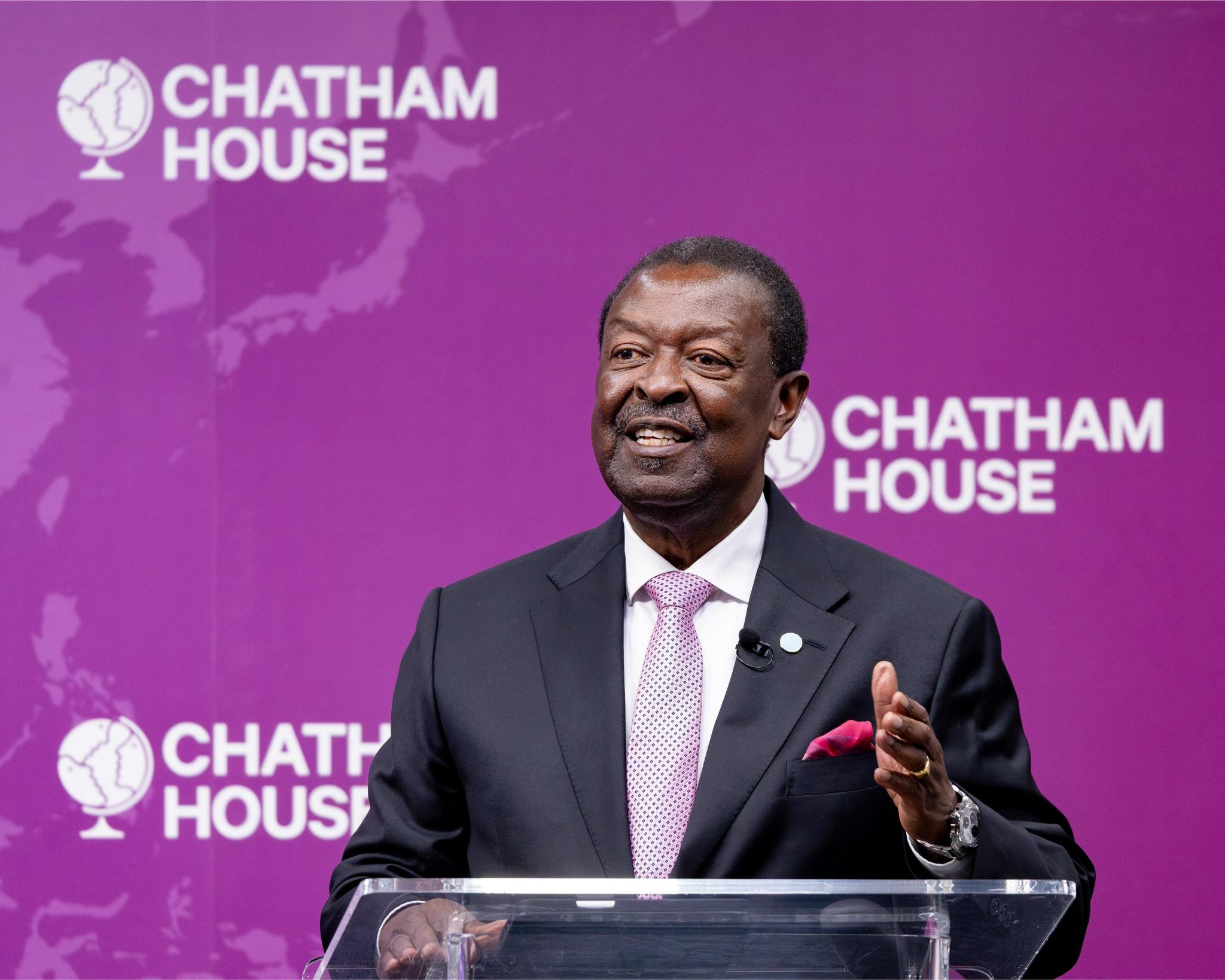
Speaking at a forum in London on Monday, Prime Cabinet Secretary and Foreign Affairs Secretary Musalia Mudavadi stressed that Nairobi has not taken sides and continues to call for peaceful solutions and respect for international norms.
“Kenya has not aligned with any party in the Middle East crisis. It has consistently called for de-escalation, dialogue, multilateral engagement, and adherence to international law,” he said.
Latest Stories
Mudavadi added that Kenya’s position is guided by principles of fairness and concern for civilians, particularly the more than 500,000 Kenyans living, working, or studying across the Middle East.
“We remain a neutral and principled voice advocating for peace, restraint, humanitarian protection, and international legality. We are also focused on the safety and well-being of more than half a million Kenyan nationals living, working, and studying in the Middle East.”
His comments followed President William Ruto’s earlier criticism of Iran over its retaliatory attacks on Gulf nations, though the president did not directly criticise Israel or the United States.
At the Chatham House forum, Mudavadi outlined Kenya’s evolving approach to foreign policy amid shifting global dynamics, highlighting how the country is strengthening its diplomacy to respond to emerging international challenges.
“Certainly, the established principles of diplomacy, including the peaceful conduct of international relations, negotiations, and mutual reciprocity, should now take precedence. They are more vital than ever for safeguarding global stability and advancing development for shared prosperity,” he said.
Mudavadi warned that the conflict’s continuation could have ripple effects across the world. He highlighted the vulnerability of key trade routes, particularly the Strait of Hormuz, where interruptions could disrupt energy supply and global commerce.
“Disruptions to energy supply, air travel, and trade will have wider economic and security implications. Our region, still facing threats from terrorism, must remain vigilant during this crisis,” he said.
He further pointed out that Africa must learn from the crisis, accelerating regional trade integration and strengthening economic resilience to mitigate the impact of global shocks. He also called for faster adoption of renewable energy sources across the continent.
“Additionally, we must accelerate the transition to renewable energy. Let us reimagine the future: if Africa were powered by clean energy such as solar, geothermal, and hydro, would the Middle East crisis have the same impact?” Mudavadi asked.
The PCS also urged the Organisation of the Petroleum Exporting Countries to consider Africa’s economic interests as tensions persist, noting that the Strait of Hormuz handles nearly one-fifth of the world’s oil.
“We appeal to the Organisation of the Petroleum Exporting Countries to help ease tensions and consider the potential impacts on African countries from the Middle East conflict,” he added.
While global focus remains on the Middle East, Mudavadi reminded the world not to overlook other critical crises in the region, citing Sudan’s ongoing humanitarian emergency.
“Sudan’s humanitarian crisis, which had been drawing international attention, now risks fading into the background as global focus shifts to the Middle East, as was the case during previous conflicts in Gaza and Ukraine,” he said.


Comments
Sign in with Google to comment, reply, and like comments.
Continue with Google